
Profiling — Where the Details Take Shape
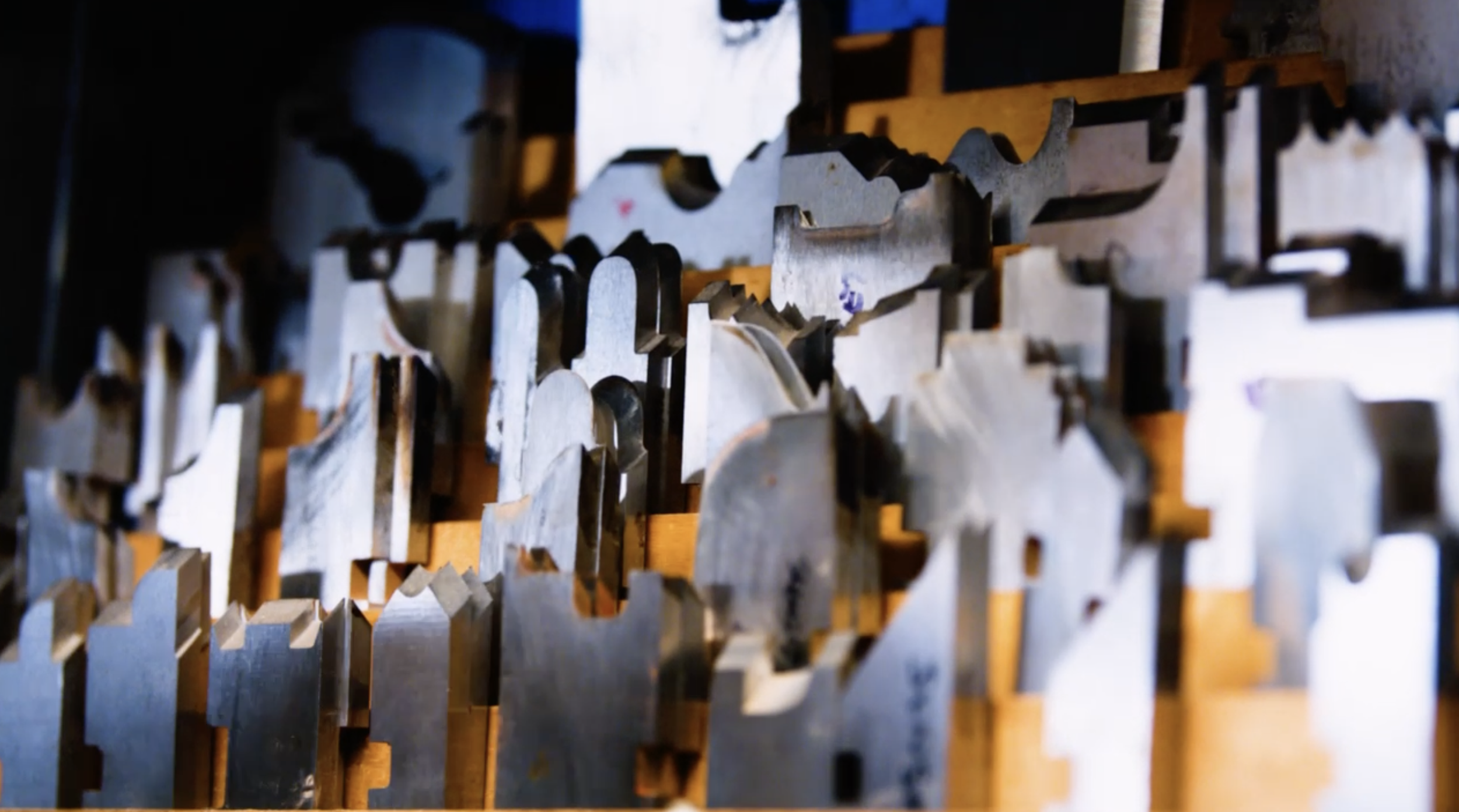
Profile cutters arranged on a workshop rack at SUNSET Joinery, used to machine a wide range of timber window and door profiles.
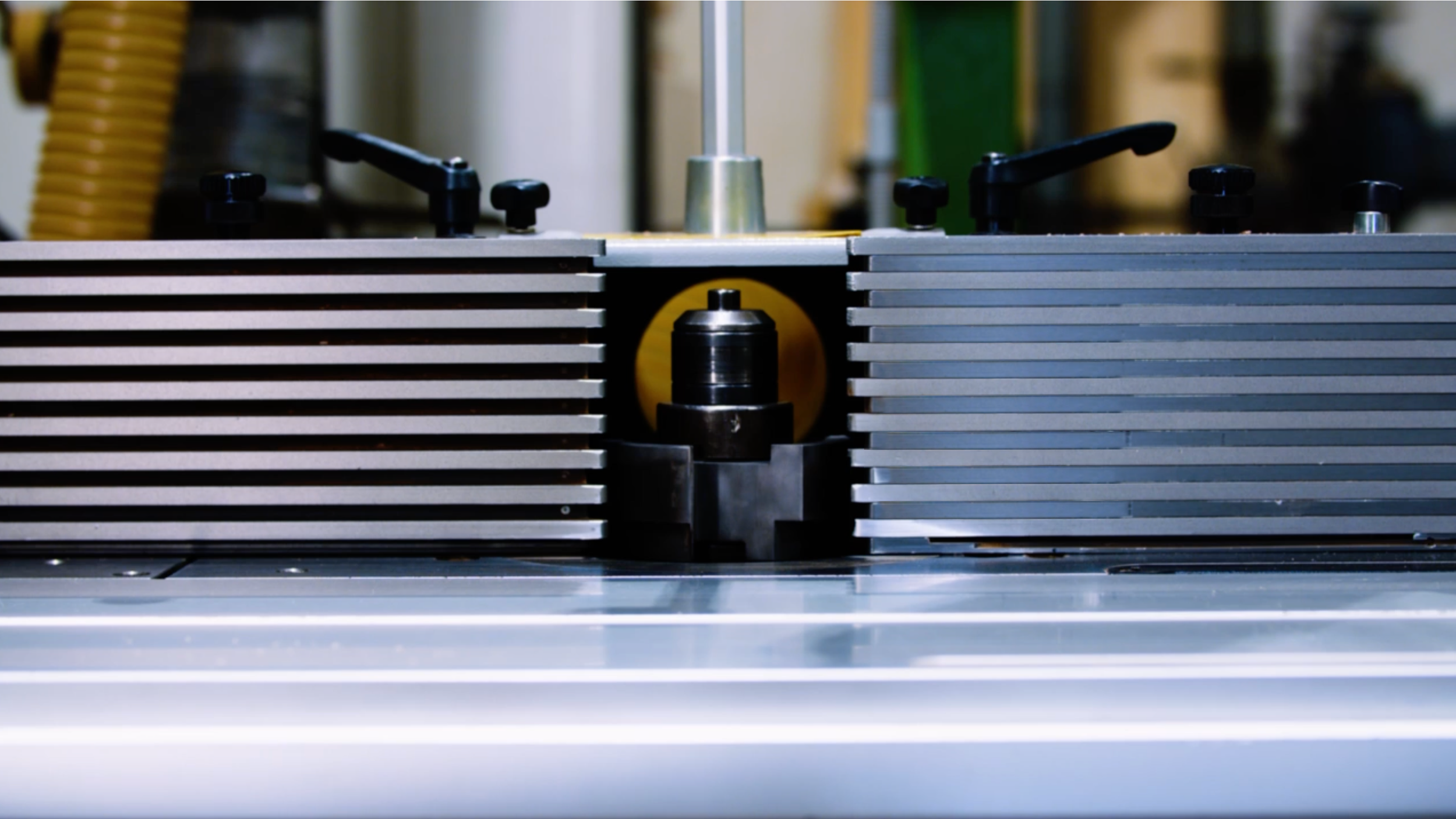
Close-up of the cutter and adjustable fences on SUNSET’s Felder spindle moulder, used for rebating and profiling timber window and door components in our Sunshine workshop.
With the timber straightened, squared and brought to the required thickness, the next stage is rebating and profiling. This is where the prepared components begin to take on the details required for each window and door.
At SUNSET, we use our Felder spindle moulder to machine these profiles in-house at our Sunshine workshop. Different cutters produce different shapes, allowing us to work across a wide range of window and door designs.
Profiles contribute to both the appearance and function of the finished joinery. They shape the edges and details of a component, while rebates create the recessed sections needed for adjoining parts or glazing. These details need to be considered together so that the finished piece looks right and fits together as intended.
Our extensive collection of cutters gives us the capability to match a wide variety of existing profiles. This is particularly useful when new windows or doors need to sit alongside original joinery. Matching the profile helps maintain continuity in the building’s details, rather than introducing a noticeably different shape.
The preparation completed in earlier stages remains essential here. Straight, square timber provides a consistent starting point for machining the profile along each component.
By carrying out this work ourselves, we keep control of the details that distinguish one job from another—from the initial selection of rough-sawn timber through to the shaped components of a custom window or door.